
The $50 GLP-1 Bridge Program, Fully Explained
Starting July 1, 2026, Medicare will cover drugs like Wegovy and Zepbound for eligible beneficiaries at a flat $50 monthly copay, a historic first for the program. Here’s everything you need to know before it begins.
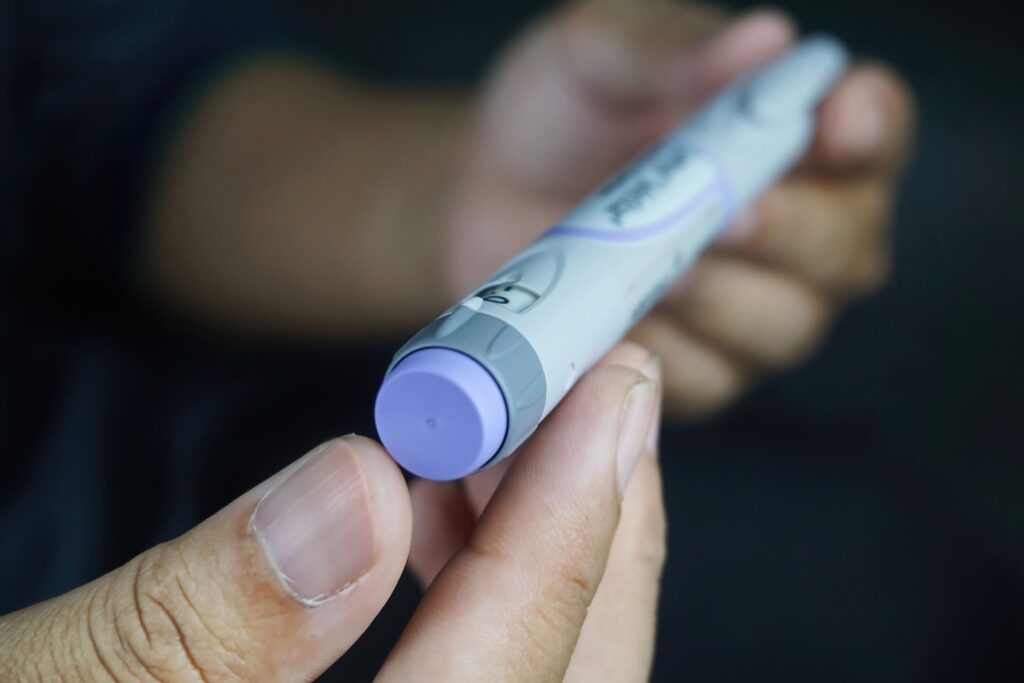
For decades, the answer to “does Medicare cover weight loss drugs?” was a firm no. Federal law explicitly barred the program from covering obesity medications, leaving millions of seniors to pay hundreds of dollars per month out of pocket, or go without. That changes this summer.
On July 1, 2026, the Medicare GLP-1 Bridge launched, a government pilot program that will cover three FDA-approved GLP-1 weight-loss medications for eligible Medicare beneficiaries at just $50 per month, regardless of dosage. It’s the most significant expansion of Medicare drug coverage for obesity since the program’s founding.
What Is the Medicare GLP-1 Bridge Program?
The Medicare GLP-1 Bridge is a short-term payment demonstration authorized by the Centers for Medicare & Medicaid Services (CMS). It operates from July 1, 2026 through December 31, 2027 and provides eligible Medicare Part D enrollees with discounted access to three weight loss medications.
Importantly, this program runs outside of your regular Part D plan. Rather than going through your insurer, prescriptions are processed through a centralized CMS system administered by Humana. That’s what allows CMS to offer a uniform $50 copay across all dosages, something traditional Part D plans cannot do.
- Auto-Qualify (BMI ≥ 35)
- Qualify With Comorbidity (BMI 27–34)
You may transfer to the Bridge program. Your prescriber must attest you met the BMI criteria when you started GLP-1 therapy.
- Enrollment Requirement
For Extra Help Beneficiaries
If you currently pay $5–$10 per prescription through Extra Help, the $50 Bridge copay represents a fivefold to tenfold increase in your drug cost. For seniors living on fixed incomes $50/month may remain a real barrier.
If you’re already taking a GLP-1 for Type 2 diabetes, cardiovascular risk, or sleep apnea, you’ll continue receiving it through your regular Part D plan at your plan’s price, which may be higher than $50. The Bridge program is exclusively for weight management indications.
What Happens to Medicare GLP-1 Coverage After 2027?
This is the most pressing question for beneficiaries considering starting a GLP-1 medication. What happens after December 31, 2027 remains an open question. Research consistently shows that most people who stop GLP-1 therapy regain a significant portion of the weight they lost. Beneficiaries who begin these drugs under the Bridge program should plan for this uncertainty.
Not Sure If You Qualify for Medicare’s $50 GLP-1 Benefit?
Navigating Medicare coverage can be confusing, especially with a new program like the GLP-1 Bridge. Our team is here to walk you through your eligibility, explain your Part D options, and help you get started before the July 1 launch date.
Give us a call or schedule a free consultation and we’ll handle the details for you.