
Your Medicare coverage continues. You can see your doctors, fill prescriptions, and make plan changes during Open Enrollment (Oct 15–Dec 7). But some back-office functions are slower (claims timing, updates to Medicare.gov, certain customer-service/oversight tasks), and some pandemic-era telehealth flexibilities expired Oct 1 unless Congress acts.
What’s happening
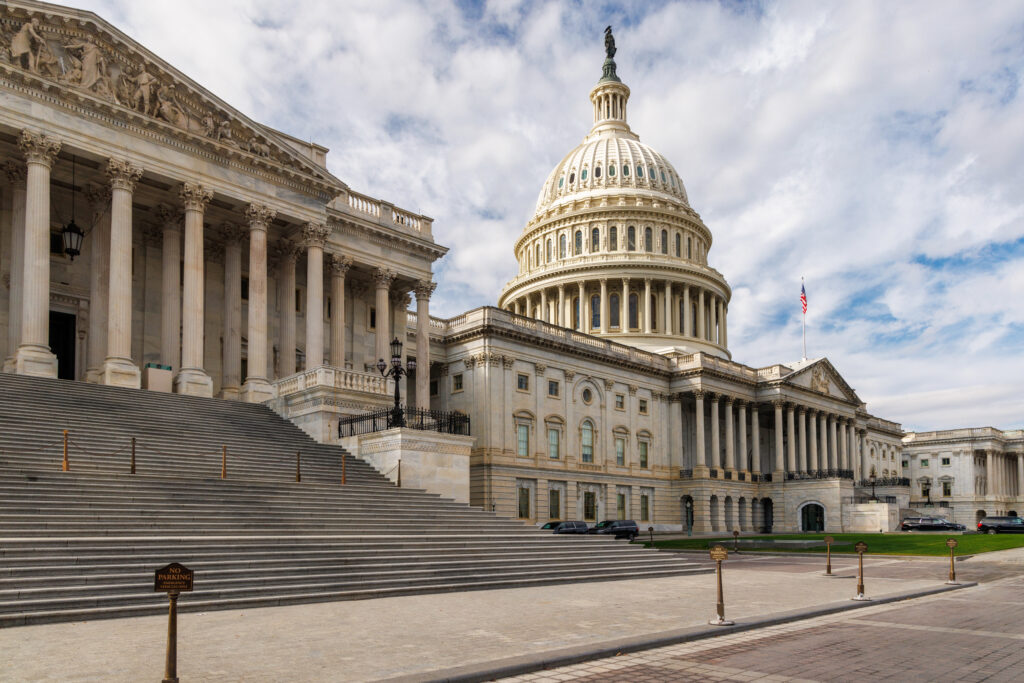
Congress didn’t pass full FY2026 funding, so parts of the federal government have shut down. Essential “mandatory” programs like Medicare continue operating; CMS retained core staffing to keep payments and beneficiary services going.
What stays the same for beneficiaries
Your Medicare benefits are active. Original Medicare, Medicare Advantage, and Part D still pay for covered services.
Open Enrollment is underway (Oct 15–Dec 7). You can review and switch plans now; CMS planned for this and loaded 2026 plan data before the shutdown. Expect some website or call-center delays.
1-800-MEDICARE remains available (with potential slowdowns).
What may be delayed or feel different
Claims timing & provider payments: CMS told Medicare Administrative Contractors to temporarily holdcertain claims (e.g., Physician Fee Schedule, ground ambulance, FQHC) tied to provisions that lapsed with funding. Providers can submit claims, but payment release may wait until the hold lifts. (CMS has refined/limited the hold as the situation evolves.)
Telehealth rules: Unless Congress extends them, many COVID-era telehealth flexibilities ended Oct 1 (e.g., patient’s home as originating site for many services, broad geographic eligibility). Behavioral health telehealth retains special allowances; ACO-linked waivers also continue.
Oversight & education: Routine facility surveys, some rulemaking, and contractor oversight (including the Medicare Call Center) are pared back; outreach/education mailings may slow.
Website updates: Medicare.gov updates may be limited or delayed during the shutdown.
If you’re in (or approaching) Open Enrollment
Review your 2026 plan now: premiums, drug formularies, networks, and extras. If Medicare.gov feels slow/out-of-date, use a licensed agent to cross-check.
Have your drug list ready (name, dose, frequency) to compare Part D/MA plans efficiently.
Build in a buffer: Expect occasional customer-service delays or slower confirmations. Submitting changes earlier helps.
Telehealth users: Ask your providers how visits are billed post-Oct 1. Some services may need in-person visits again to be payable under Medicare.
For providers (what your doctors may be seeing)
Short, targeted claims holds on certain services (PFS, ambulance, FQHC) until Congress addresses lapsed provisions; CMS indicates most payments still process “in a timely manner.”
Telehealth billing: Non-behavioral health telehealth outside rural/originating-site rules may be non-payable again; ABNs may be appropriate when uncertain.
Survey & certification: Routine surveys paused; serious complaint investigations continue.
Bottom line
Your Medicare coverage and AEP choices are safe. Plan carefully, start early, and lean on expert help to avoid delays or surprises during the shutdown.
Why is telehealth different now?
Because several temporary waivers expired Oct 1. Behavioral health telehealth retains special allowances; many other services again require rural geography and an approved “originating site.”
Are doctors still getting paid?
Generally yes, but some claims types are temporarily held pending congressional action; providers can still submit claims.
How we can help (free, unbiased)
Our licensed team can:
Compare your 2026 plan options (premiums, drugs, networks).
Clarify telehealth changes that affect your care.
Handle enrollment for you so you don’t get stuck on hold.
Schedule your free consultation today.